
Guided tour in Castiglione in Teverina

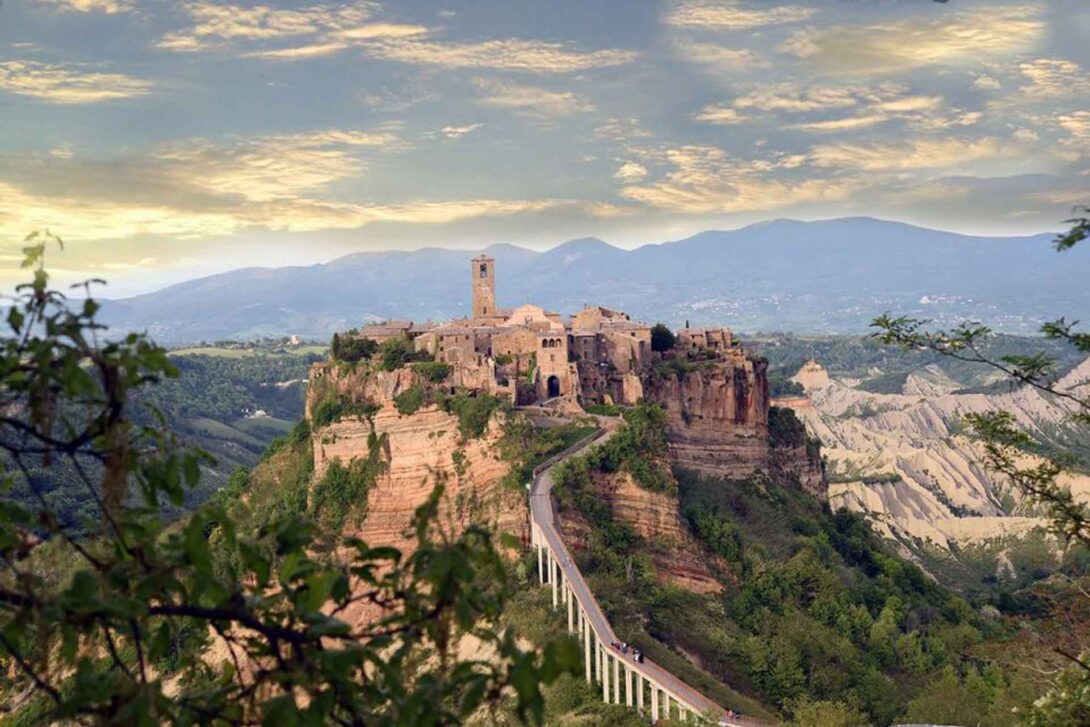
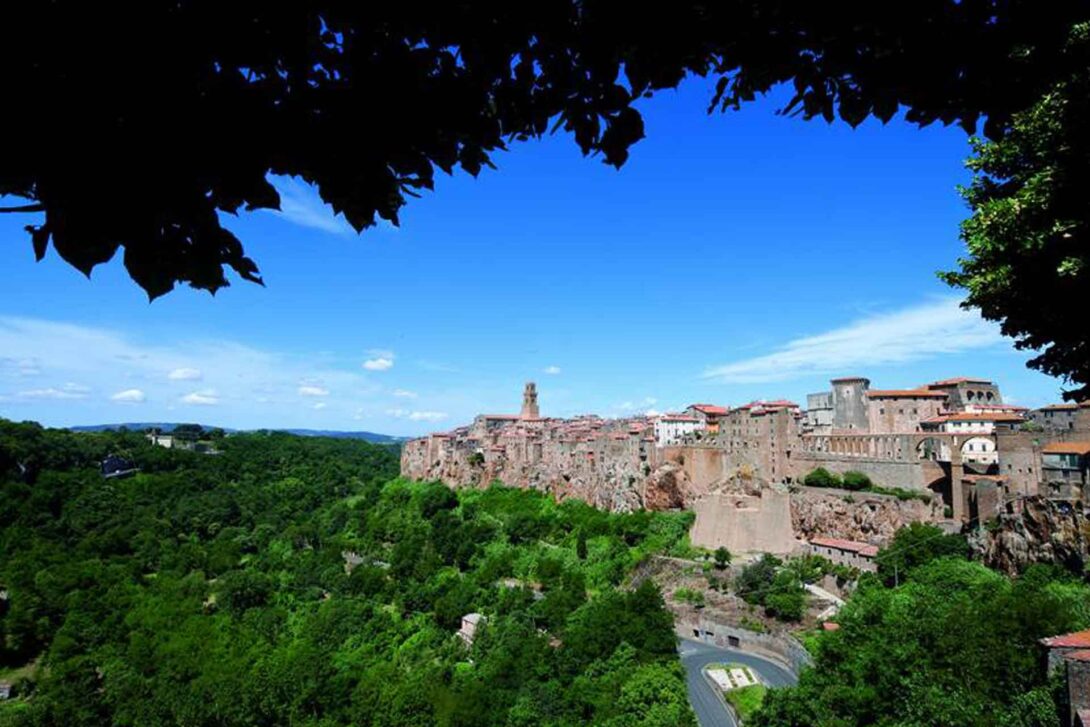
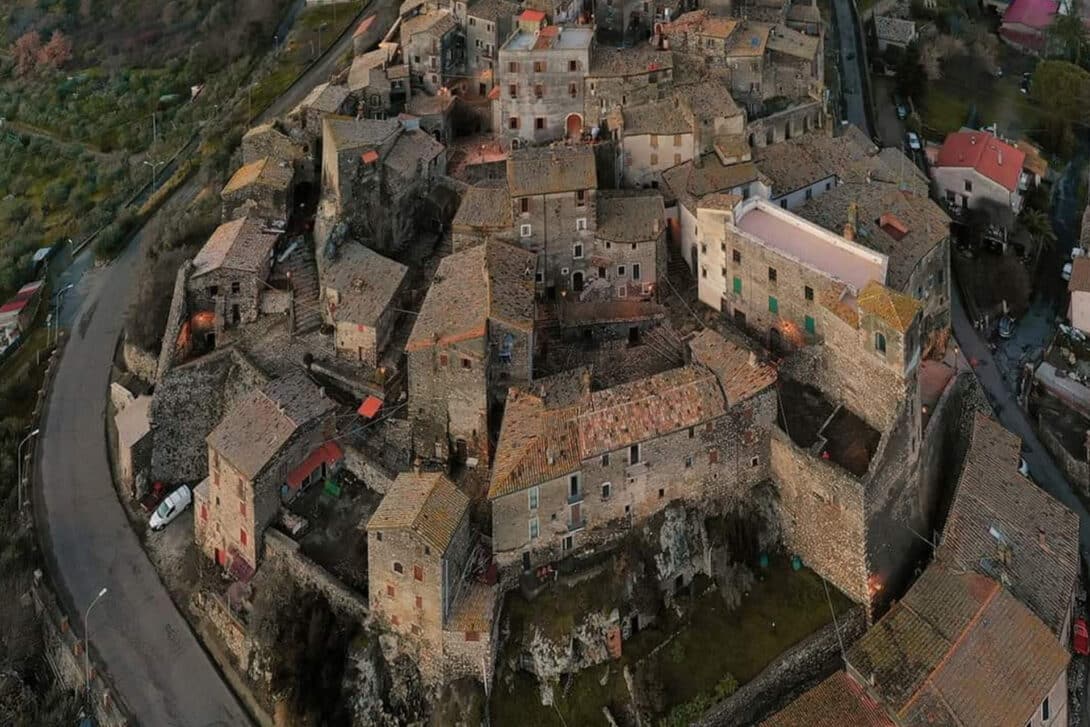
Ancient Etruscan stronghold, Castiglione in Teverina is characterized by its old village, built over a thousand years ago on a travertine spur, around an ancient fortress.
The old village was fortified by the Monaldeschi family from Orvieto, Castiglione shared the vicissitudes of the Umbrian town for a long time.
His fortress, located in Piazza Maggiore, is mentioned in the Carta del Popolo of Orvieto, dated 1323.
The construction was subsequently modified: due to its strategic position, Castiglione in Teverina was always considered strategically important for the defensive walls first of Orvieto, and subsequently by the Papal States.
Sold to the Farnese family in 1539, it became part of the Duchy of Castro, the capital city of a feud between Lazio, Umbria and Tuscany, which was subsequently abandoned and destroyed.
In 1637 the inhabitants of Castiglione in Teverina, tired of their passing by from one master to another, “redeemed themselves” by contracting a census of 20,000 scudi.
Castiglione in Teverina experienced significant events in the Risorgimento. In 1860, still being part of the Papal States, it came to be less than a kilometer from the border line of the Kingdom of Italy, to which it was annexed on 18 September 1870.
During the last decades of the last century, Castiglione underwent an urban development which at the same time allowed the historic center to be maintained without other transformations.
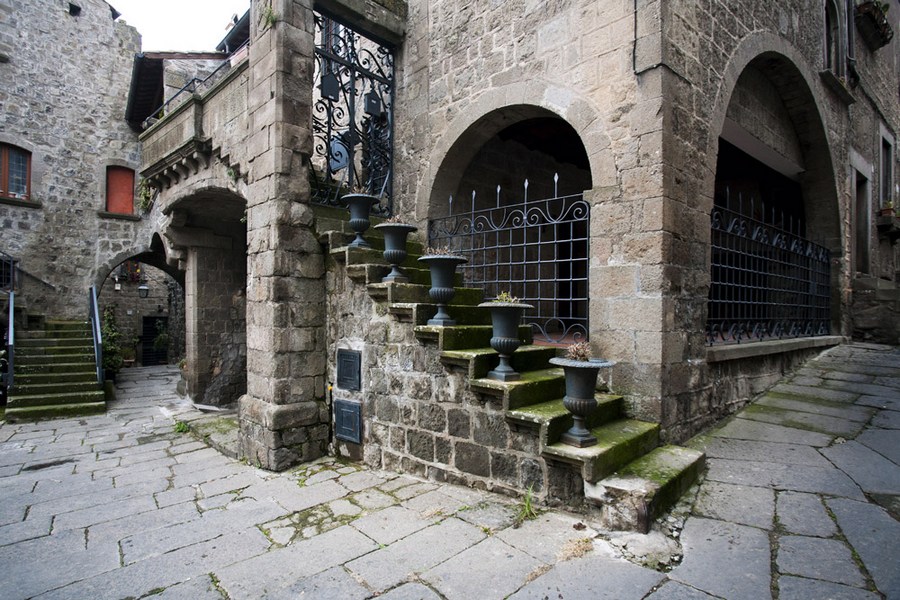
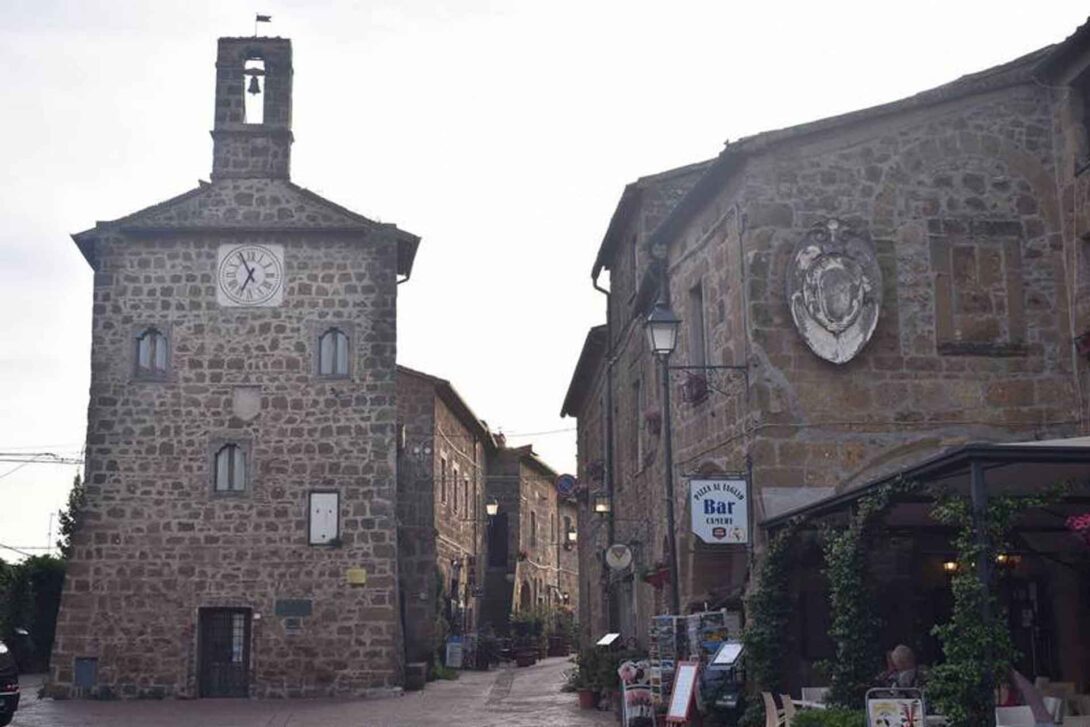
The main urban characteristic of the ancient village is given by the houses leaning against each other, perched on the travertine cliff to form a unique and unrepeatable whole, with the stairways that connect one square to the other. Piazza Maggiore, in the Middle Ages, was separated from the upper gate of the Rocca dei Monaldeschi by a moat which could probably only be crossed via a drawbridge.
The Collegiate Church of SS Filippo e Giacomo, which overlooks the square, dates back to the Renaissance: its bell tower and central altar are characteristic, the latter one by the Ippolito Scalza, architect from Orvieto.
Today Piazza Maggiore hosts the Palazzo Comunale (18th century) and the monument to the fallen of the two world wars.
A very suggestive corner is offered by the small San Giovanni’s square: here are the ruins of the church of the same name built at the beginning of the 15th century. Today the square is home to cultural events and music festivals. It is the place of worship for the Colli del Tevere Wine Festival: an extraordinary and unmissable event, which has been repeated for 30 years in the first week of August. From the belvederes a splendid view opens up over the Tiber valley and the surrounding hills: a spectacle of nature, green, luxuriant and full of life.
Castiglione in Teverina is the city of wine: this is where the MUVIS “Museum of Wine and Agri-Food Sciences” is located, the largest museum of its kind in Europe with 2000 m² of exhibition spaces.
MUVIS is located in the heart of the village of Castiglione in Teverina.
How to visit the Muvis of Castiglione in Teverina. Contacts, tickets and opening hours
MUVIS – Piazza del Poggetto, 12, 01024 Castiglione in Teverina (Viterbo)
Opening hours: from Tuesday to Sunday from 10 to 13 and from 15 to 19
Ticket: €6.00 per person, for children aged 6 to 14, students, FISAR, AIS members, FIS, FAI, groups of at least 30 people reduced rate € 3.00, free for children up to 5 years – disabled – over 65 – residents – journalists
photo credits: Wikipedia
Book your tour
Infoline: 338.8618856


Share: